
Top Precision Measurement Tools for Industry

In industrial settings, accuracy and reliability in measurement are critical. Precision measurement tools ensure that components meet exact specifications, processes run smoothly, and quality standards are maintained. Choosing the right tools can significantly impact productivity, reduce waste, and improve product quality. In this article, I will explore some of the top precision measurement tools used in industry today, explain their applications, and provide practical advice on selecting the best instruments for your needs.
Understanding Precision Measurement Tools
Precision measurement tools are devices designed to measure physical quantities with high accuracy and repeatability. These tools are essential in manufacturing, quality control, and research environments where even minor deviations can lead to significant issues. The tools vary widely depending on the type of measurement required, such as length, thickness, pressure, temperature, or humidity.
Some common categories of precision measurement tools include:
Calipers and micrometers for dimensional measurements
Pressure sensors and transmitters for fluid and gas pressure monitoring
Temperature sensors for thermal control
Humidity sensors for environmental monitoring
Surface roughness testers for material texture analysis
Each tool serves a specific purpose and is chosen based on the precision level required, the environment, and the material being measured.

Key Precision Measurement Tools in Industry
Calipers and Micrometers
Calipers and micrometers are among the most widely used tools for measuring dimensions such as length, diameter, and thickness. Calipers can be digital, dial, or vernier types, offering different levels of precision. Micrometers provide even finer measurements, often down to microns.
Example: In automotive manufacturing, micrometers are used to measure engine parts to ensure they fit perfectly, preventing engine failure.
Pressure Sensors and Transmitters
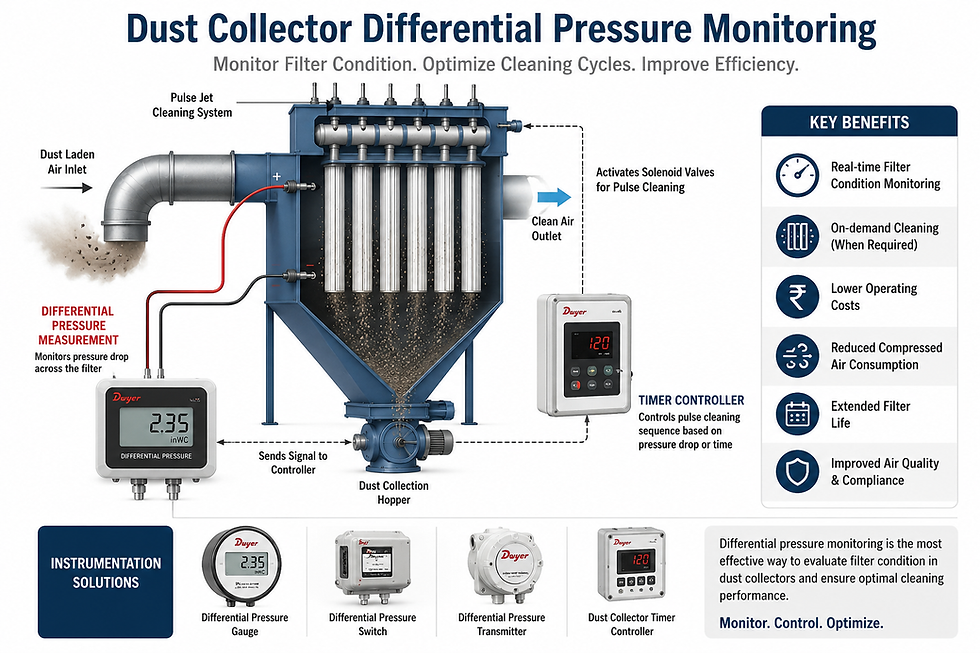
Pressure measurement is vital in industries like oil and gas, chemical processing, and HVAC systems. Pressure sensors convert physical pressure into an electrical signal, which can be monitored and controlled. High-precision pressure transmitters ensure safety and efficiency in critical processes.
Temperature and Humidity Sensors
Temperature and humidity control are crucial in industries such as pharmaceuticals, food processing, and electronics manufacturing. Sensors must provide accurate readings to maintain optimal conditions. For example, maintaining precise humidity levels can prevent product spoilage or equipment corrosion.
Surface Roughness Testers
Surface roughness testers measure the texture of a material’s surface, which affects friction, wear, and adhesion. These tools are essential in quality control for machined parts, ensuring they meet design specifications.

What are the measurement instruments for research?
In research and development, measurement instruments must offer high accuracy and versatility. These instruments help engineers and scientists gather data, validate designs, and improve processes. Common research measurement instruments include:
Coordinate Measuring Machines (CMMs): Used for precise 3D measurements of complex parts.
Laser Scanners: Capture detailed surface profiles quickly.
Spectrometers: Analyze material composition.
Environmental Sensors: Monitor conditions like temperature, humidity, and pressure in experimental setups.
Using the right research measurement instruments can accelerate innovation and ensure that prototypes meet stringent requirements. For those interested in advanced options, research measurement instruments from trusted suppliers offer reliable performance and expert support.
Selecting the Right Precision Measurement Tools
Choosing the right tool depends on several factors:
Measurement Range and Accuracy: Determine the smallest unit you need to measure and the acceptable error margin.
Environment: Consider temperature, humidity, dust, and vibration, which can affect tool performance.
Material Type: Some tools are better suited for metals, plastics, or composites.
Ease of Use: Digital tools with clear displays and data output options can improve efficiency.
Calibration and Maintenance: Regular calibration ensures ongoing accuracy. Choose tools that are easy to maintain.
Example: For a factory producing precision metal parts, investing in high-quality micrometers and CMMs with regular calibration schedules will ensure consistent product quality.

Enhancing Industrial Processes with Precision Tools
Integrating precision measurement tools into industrial processes can lead to:
Improved Quality Control: Early detection of defects reduces scrap and rework.
Increased Efficiency: Automated measurement tools speed up inspections.
Better Compliance: Meeting industry standards and regulations becomes easier.
Data-Driven Decisions: Accurate measurements provide reliable data for process optimization.
For example, in chemical processing plants, precise pressure and temperature sensors help maintain safe operating conditions and optimize reactions, reducing downtime and costs.
Partnering with Experts for Measurement Solutions
Reliable measurement tools are only part of the equation. Expert support and service are equally important. Companies like Trias Automation specialize in providing high-performance measurement sensors tailored to industrial needs. Their expertise ensures that you get the right tools, proper installation, and ongoing support.
By partnering with a trusted supplier, you can:
Access the latest technology
Receive customized solutions
Benefit from expert advice on calibration and maintenance
Ensure minimal downtime with prompt service
This approach helps industrial businesses maintain high standards and stay competitive.
Final Thoughts on Precision Measurement Tools
Precision measurement tools are indispensable in modern industry. They ensure products meet specifications, processes run efficiently, and safety standards are upheld. By understanding the types of tools available and selecting the right ones for your applications, you can enhance quality and productivity.
Investing in quality instruments and partnering with knowledgeable suppliers like Trias Automation will provide long-term benefits. Whether you need dimensional measurement, pressure sensing, or environmental monitoring, the right tools make all the difference in achieving industrial excellence.


Comments